
What to evaluate
Guangzhou Celsentra Biotechnology is the company contact for projects presented through this localized patch website. The site's purpose is to help brands describe their product requirements and request a defined review. A project response should clarify which organization performs each role, including development, manufacture, testing, packaging and supply.
Planning the next decision
Company-level information and product-level evidence should remain easy to distinguish. Ask for applicable documentation when a proposed service or facility is material to the buying decision. Retain a named contact and project reference so sample feedback reaches the correct team. Contact contact@celsentrabiotech.com with a concise description of the patch format, intended market and immediate evaluation need. The offered scope is confirmed through the project discussion.
A focused site should explain its role in the project
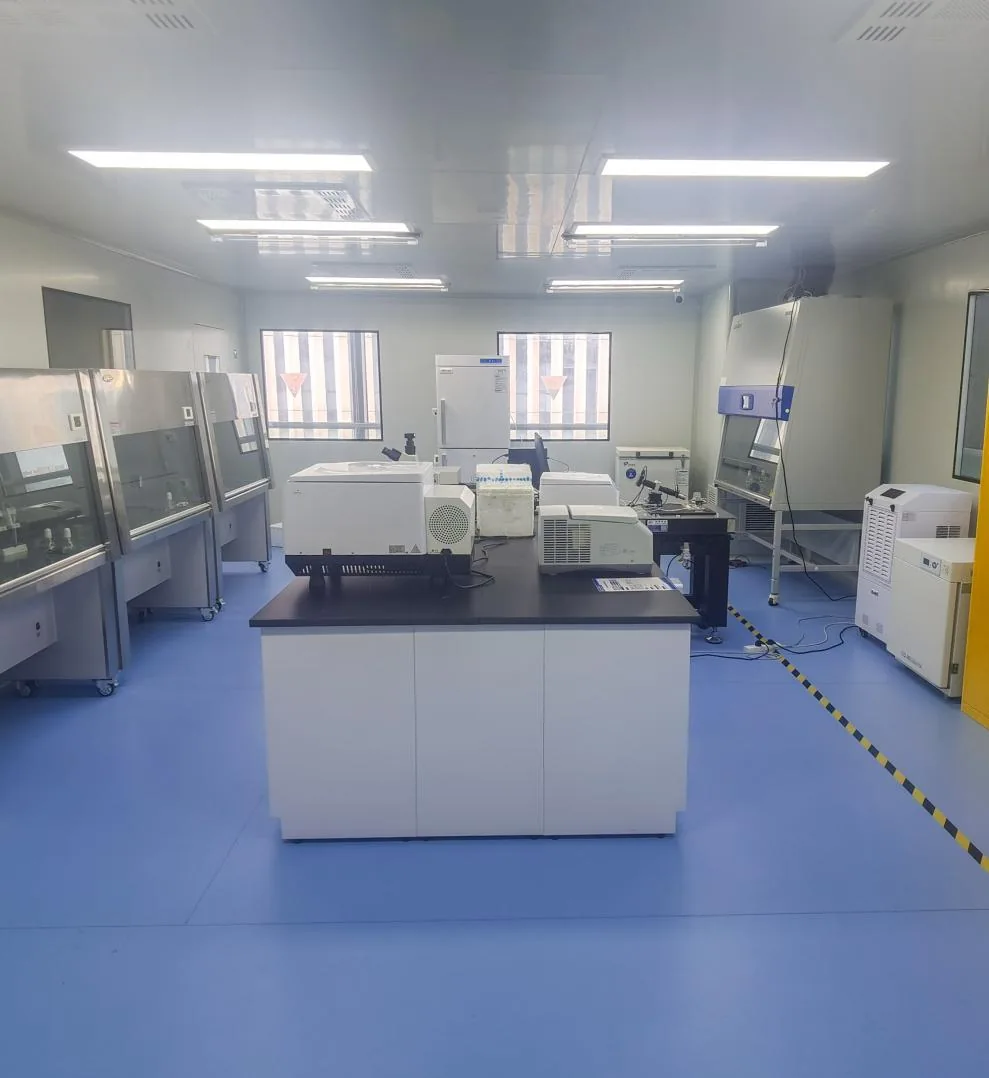
A localized-patch project needs a defined small-format construction and an evidence plan addressing its array, backing, attachment and protective package. Company information should identify the legal entity responsible for the commercial relationship and describe the verified roles of internal teams and any project partners. A distinct website name or visual style does not identify a separate manufacturer; confirm the legal entity and responsible project organisations in the commercial records. A responsibility diagram can show how a format enquiry reaches commercial coordination, engineering review and quality review. This is more useful to a procurement team than a collection of generic factory images. Any statement about equipment, capacity or certification should be tied to the actual scope available for the project.
Use case explanations without inventing a client history
A hypothetical development scenario illustrates a decision sequence; it is not evidence that the company has completed that customer project. For instance, a scenario about improving lifting access for a small circular patch can illustrate the sequence from observed handling difficulty to a revised liner and tray. Treat this scenario as illustrative. Actual case evidence requires identifiable project records and authorisation to disclose the relevant customer, configuration and results. Real case studies can replace or supplement these explanations when publication is authorised and records are available. The distinction protects the usefulness of the content: readers learn how a technical question would be approached while retaining a clear view of what has actually been demonstrated. Supplier-review documents should remain available through the appropriate authorised channel.