
Format decisions
Circular Oval and Custom Spot Patch Formats. Review specifications, development questions and supporting documents before requesting a project review.
Compare circular, oval and custom spot patches by backing, release liner, handling space and protective packaging. Prepare a sample review around your own requirements.
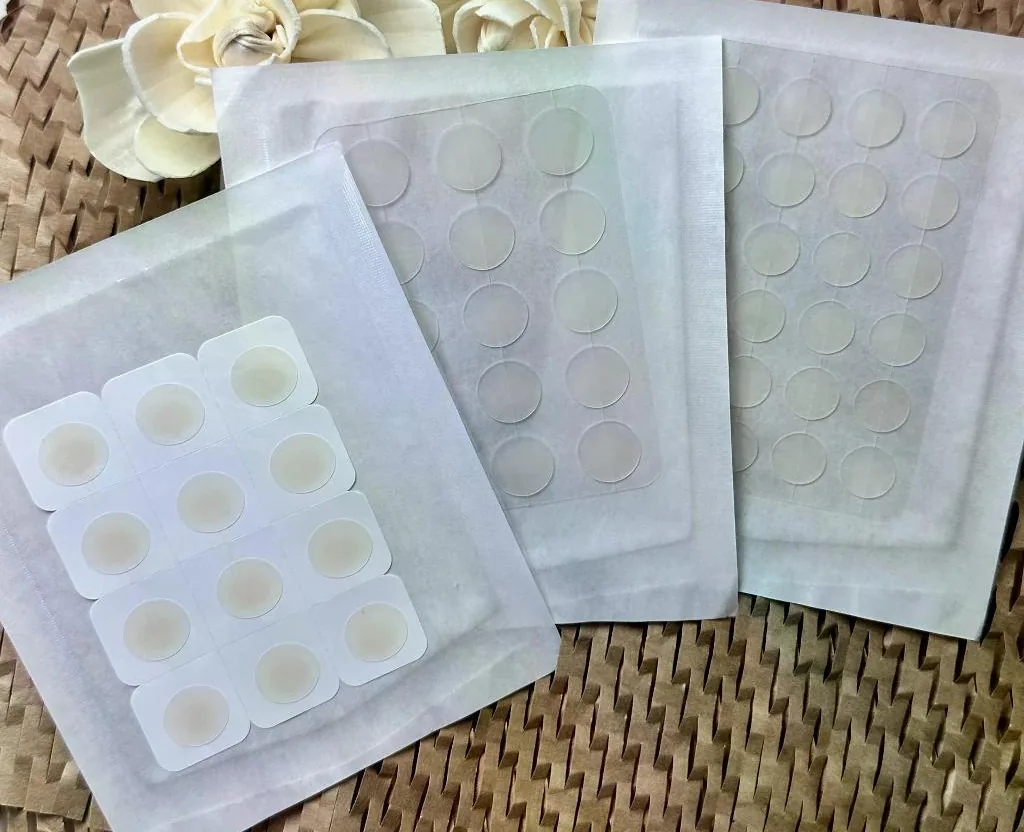
Compare skin-contact adhesive tape and hydrocolloid backing options for cosmetic spot patches. Request common cosmetic ingredients for a custom concept.
Circular Oval and Custom Spot Patch Formats. Review specifications, development questions and supporting documents before requesting a project review.
Release Tabs and Handling Edges. Review specifications, development questions and supporting documents before requesting a project review.
Single-Unit Packaging for Spot Patches. Review specifications, development questions and supporting documents before requesting a project review.
Verification Questions for Small Microneedle Patches. Review specifications, development questions and supporting documents before requesting a project review.

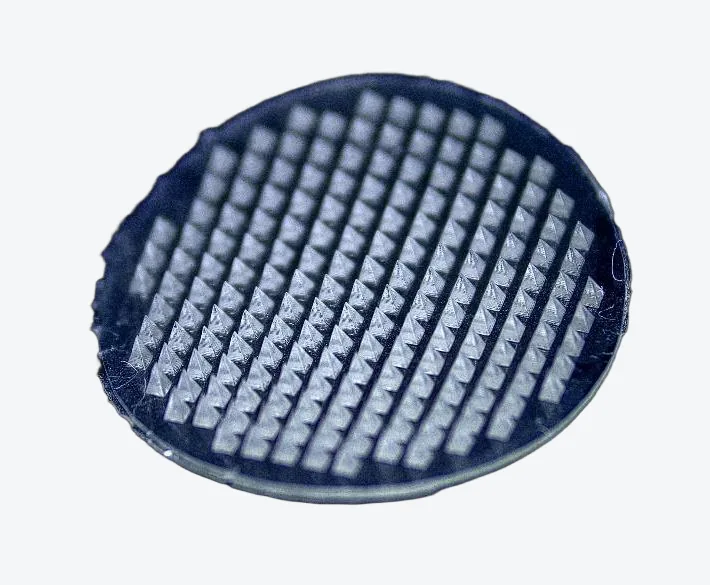

Compare the same format in the drawing, the sample and the proposed pack.
Circular Oval and Custom Spot Patch Formats. Review specifications, development questions and supporting documents before requesting a project review.
Release Tabs and Handling Edges. Review specifications, development questions and supporting documents before requesting a project review.
Single-Unit Packaging for Spot Patches. Review specifications, development questions and supporting documents before requesting a project review.
Spot Patch OEM is a business website of Guangzhou Celsentra Biotechnology Co., Ltd.
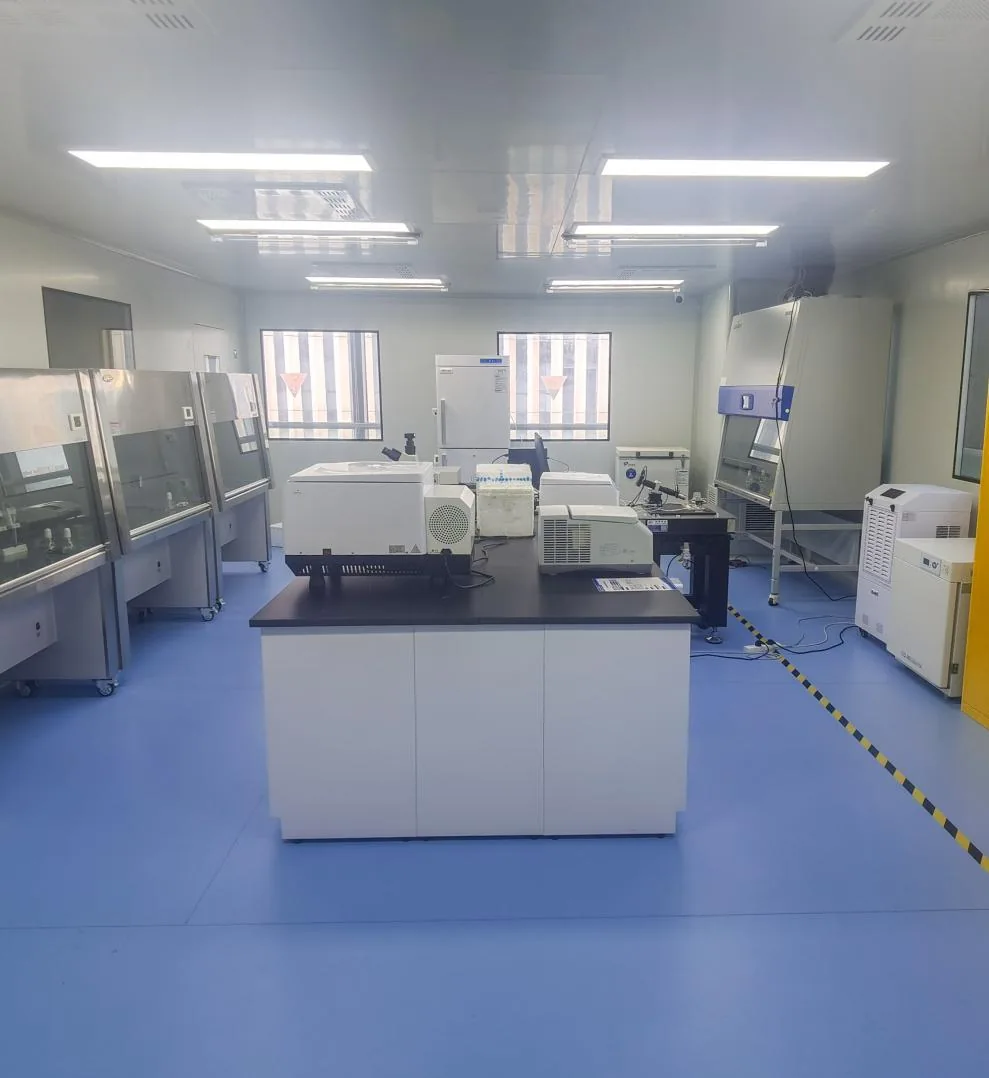
No. 76 Fucong Road, Conghua District, Guangzhou, Guangdong, ChinaWorkshop area and equipment count are company-reported figures. Confirm the equipment and schedule for your specific project.
Explore microdart patch versus hydrocolloid construction with a practical development framework, measurable specifications and evidence boundaries for B2B project planning.
Define a quotable small-format patch project with a clear order unit, sample stage, packaging scope and artwork responsibility.
Plan a spot patch retail display around real unit dimensions, readable count information and the retailer’s replenishment process.
Organize approved and questionable spot patch photos by component and inspection point so reviewers record the same conditions consistently.
Trace how a packaging component change affects handling, visual identification, documentation and repeat ordering for a spot patch.
Localized cosmetic patches create a focused development question: which small area should the patch cover, and how will its structure remain practical to handle? A circular spot, an oval patch and a short strip have different constraints. The outer dimensions, array layout, liner and protective package should be selected as a connected format. A product image cannot replace those specifications.
This site helps brands prepare targeted patch inquiries for Celsentra. Begin with the intended cosmetic use, location, format and evidence needs. Explore blank formats, backing choices and packaging before adding ingredients or claims. A localized cosmetic patch should not be presented as a treatment for disease on the strength of its shape or a popular ingredient. Project discussions should determine the available development scope and the review required for the final product.
For an efficient first review, distinguish the must-have requirements from preferences. A fixed carton dimension, a particular visible shape and a specified active area may conflict. Provide priorities so the team can identify a workable sample comparison. Ask that each sample carries a code connecting its drawing, formula status and package. Review physical observations separately from proposed consumer benefits. A decision sheet showing accepted features and unresolved questions will support the next iteration more effectively than a collection of anonymous product photographs.
Localized formats concentrate several design constraints into a small footprint. The visible outline must leave room for the functional array, the attachment region and a practical way to handle the patch. Shrinking a larger design proportionally can remove the space needed for a tab or change how the backing bends. The protective cavity also becomes a separate design problem because a small loose patch may rotate or tilt during transport. The site therefore treats spot formats as their own development category. Buyers can explore the relationship between outline, array area, backing and package before choosing a cosmetic ingredient direction. A familiar round silhouette is only a starting point for that discussion.
The words patch, microdart and hydrocolloid are often used together in commercial searches, but they do not describe the same construction. A flat hydrocolloid component and a dissolving microstructured array have different physical functions and evidence needs. They may be combined in a project, but that combination must be described rather than assumed. An illustrative brief might request a small cosmetic microarray with a separate attachment border and a single-unit protective tray. The first review should confirm that architecture. Only then can formulation, package count and presentation be compared. This prevents a buyer from expecting a standard flat patch to provide the geometry or measured behaviour of a different product class simply because both are sold for localized skincare.
Search the Celsentra COA library by product or lot. Compare the report identifier with the physical pack and the material you requested.
No. Ask for the component construction and intended purpose; similar retail shapes can conceal different materials and mechanisms.
Not necessarily. The backing outline and needle geometry are separate components that require a project-specific tooling review.
Request identified blank or packaging mock-up samples with an agreed evaluation scope.
That needs assessment. Geometry, material distribution and processing can change when the format changes.
Do not assume a cosmetic format supports a disease-treatment claim. Review the finished product and intended market before adopting that wording.
At minimum, a traceable sample code and version, with an accompanying description of its composition status, package and intended evaluation.
Retain identifiers and photograph the package and unit before further handling. Record what is known without guessing the cause.
Provide the comparison objective and candidate formats. The available set and its suitability need confirmation.
No. Identify the actual layers and three-dimensional array. Similar outlines or placement areas do not establish equivalent construction or evidence.
The tab influences how the liner is removed and where bending occurs. Review it with the actual backing, liner and geometry rather than as a graphic detail alone.
No. It can help with format and package review, but its materials may not represent the final matrix. The sample label should identify its intended purpose.
Not by itself. The method conditions and the intended product requirements matter. Adhesion data do not independently establish comfort, safety or array performance.
Share the intended cosmetic format, backing and liner preferences, approximate sample quantity and the inspection questions you want to answer.