
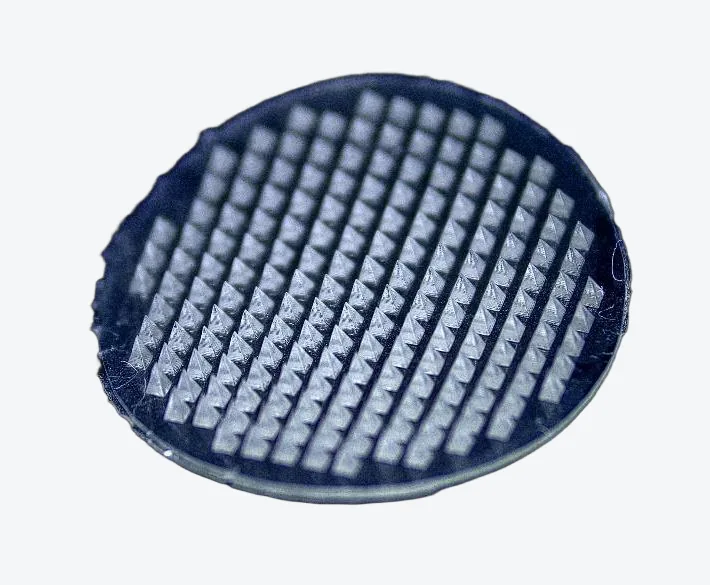
What to evaluate
Blank samples can isolate questions about geometry, handling or measurement before an active ingredient is introduced. Identify the blank matrix and explain which features are representative of the intended product. A blank sample may not reproduce the final formula's mechanical or moisture behavior, so its limitations should be recorded alongside observations.
Planning the next decision
Request a sample list with codes, drawings, package references and a clear evaluation purpose. Preserve unopened reference pieces where appropriate to the agreed plan. Send feedback with photographs that identify the sample and view. If defects appear, distinguish damage during transport, opening or the evaluation itself. Use the findings to choose the next comparison, rather than treating a preferred blank as automatic approval of every future formulation or commercial application.
A blank is a defined control, not an unspecified empty patch
A blank sample should state which components are absent and which remain. An unloaded array may still contain the full matrix and backing, while a shape-only mock-up may use a different material and provide only a handling reference. Those specimens answer different questions. The label should identify the control type so a buyer does not use a packaging mock-up to infer matrix behaviour. If blank and loaded samples are compared, differences in their processing or composition should be acknowledged. Removing an ingredient can change the physical system even when the outline remains identical. Select the control category for the question being investigated. Shape-only, matrix-only and unloaded controls are not interchangeable, even when their external appearance is similar.
Use blanks to isolate a decision, not to prove the finished product
An illustrative early project might use a shape-only blank to review tray clearance, followed by a matrix blank to assess handling and a loaded prototype for analytical work. The order is useful because each specimen resolves a different uncertainty. It does not mean the later product inherits every conclusion from the earlier sample. A backing change between stages, for example, can require the handling assessment to be revisited. A comparison record should therefore list the differences between specimens beside the question being investigated. This makes feedback easier to interpret and prevents an attractive blank from becoming an unsupported reference for final performance. Buyers should retain the sample identifiers when circulating photographs internally so the control status is not lost.